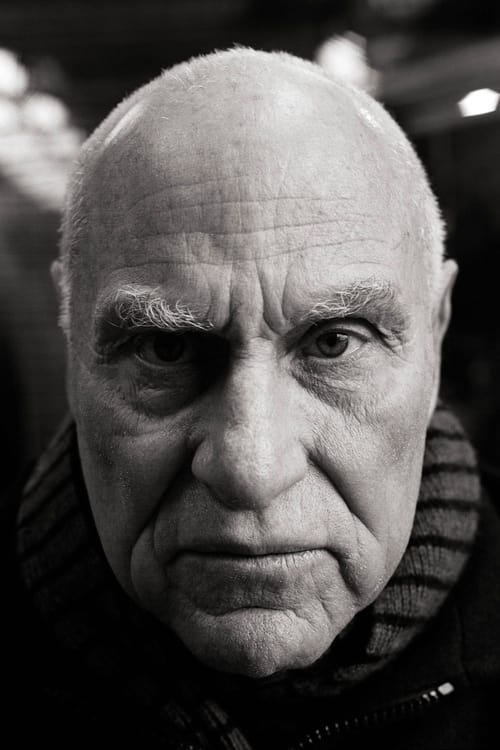
Richard Serra
Birthday: 1938-11-02
Place of Birth: San Francisco, California, USA
Biography: Richard Serra (November 2, 1938 – March 26, 2024) was an American artist known for his large-scale abstract sculptures made for site-specific landscape, urban, and architectural settings, whose work has been primarily associated with Postminimalism. Described as "one of his era's greatest sculptors", Serra became notable for emphasizing the material qualities of his works and exploration of the relationship between the viewer, the work, and the site. Serra pursued English literature at the University of California, Berkeley, before shifting to visual art. He graduated with a B.A. in English Literature from the University of California, Santa Barbara, in 1961, where he met influential muralists Rico Lebrun and Howard Warshaw. Supporting himself by working in steel mills, Serra's early exposure to industrial materials influenced his artistic trajectory. He continued his education at Yale University, earning a B.A. in Art History and an M.F.A. in 1964. While in Paris on a Yale fellowship in 1964, he befriended composer Philip Glass and explored Constantin Brâncuși's studio, both of which had a strong influence on his work. His time in Europe also catalyzed his subsequent shift from painting to sculpture. From the mid-1960s onward, particularly after his move to New York City in 1966, Serra worked to radicalize and extend the definition of sculpture beginning with his early experiments with rubber, neon, and lead, to his large-scale steel works. His early works in New York, such as To Lift from 1967 and Thirty-Five Feet of Lead Rolled Up from 1968, reflected his fascination with industrial materials and the physical properties of his chosen mediums. His large-scale works, both in urban and natural landscapes, have reshaped public interactions with art and, at times, were also a source of controversy, such as that caused by his Tilted Arc in Manhattan in 1981. Serra was married to artist Nancy Graves between 1965 and 1970, and Clara Weyergraf between 1981 and his death in 2024. From 1968 to 1979 Serra made a collection of films and videos. Although he began working with sculpture and film at the same time, Serra recognized the different material capacities of each and did not extend sculptural problems into his films and videos. Serra collaborated with several artists including Joan Jonas, Nancy Holt, and Robert Fiore, on his films and videos. His first films, 'Hand Catching Lead' (1968), 'Hands Scraping' (1968) and 'Hand Tied' (1968) involve a series of actions: a hand tries to catch falling lead; pairs of hands move lead shavings; and bound hands untie themselves.
Movies
Keep Busy
The protagonists’ astounding verbal gymnastics and often incomprehensible interactions tend to desce...
View Movie

A Film Portrait of Richard Serra
"Film Portrait of Richard Serra was shot during the making of The Camera: Je but I felt that the foo...
View Movie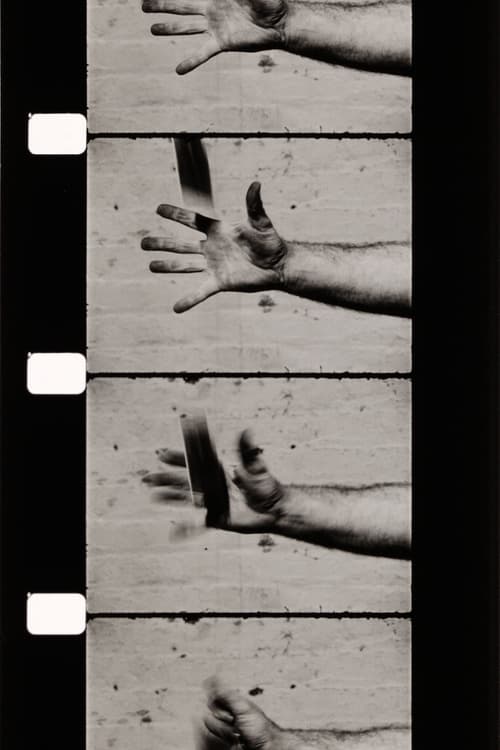
Hand Catching Lead
Echoing the vertical movement of the film through the projector, pieces of sheet lead fall into the ...
View Movie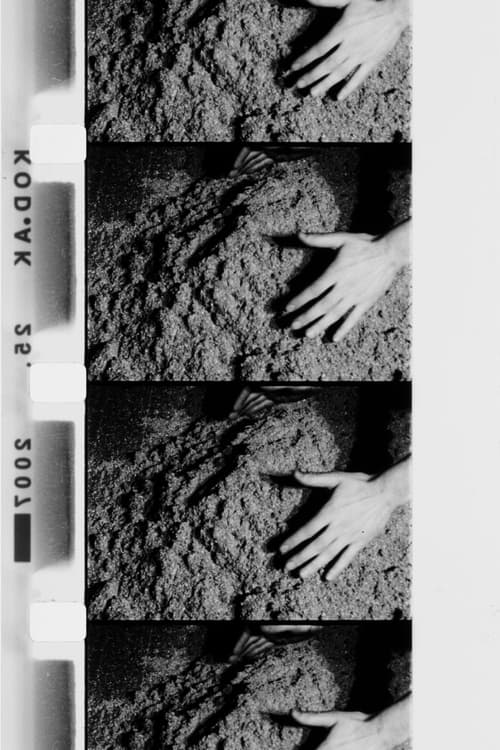
Hands Scraping
In "Hands Scraping" we see two male pairs of hands, those of Serra and Phil Glass, sweeping up steel...
View Movie
Richard Serra: Man of Steel
Sculptor and giant of modern art Richard Serra discusses his extraordinary life and work. A creator...
View Movie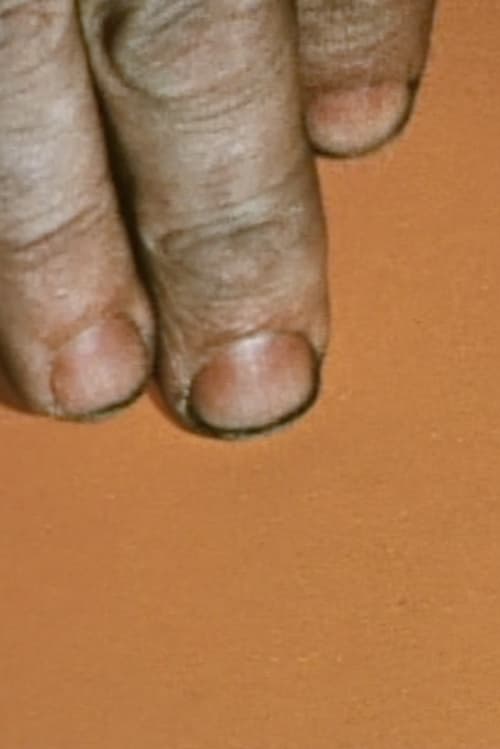
Color Aid
Like the three "Hands" films by Richard Serra (1968), the subject of "Color Aid" are fingers as acto...
View Movie
Here Is Always Somewhere Else
The life and work of enigmatic Dutch/Californian conceptual artist Bas Jan Ader, who in 1975 disappe...
View Movie
Cremaster 3
CREMASTER 3 (2002) is set in New York City and narrates the construction of the Chrysler Building, w...
View Movie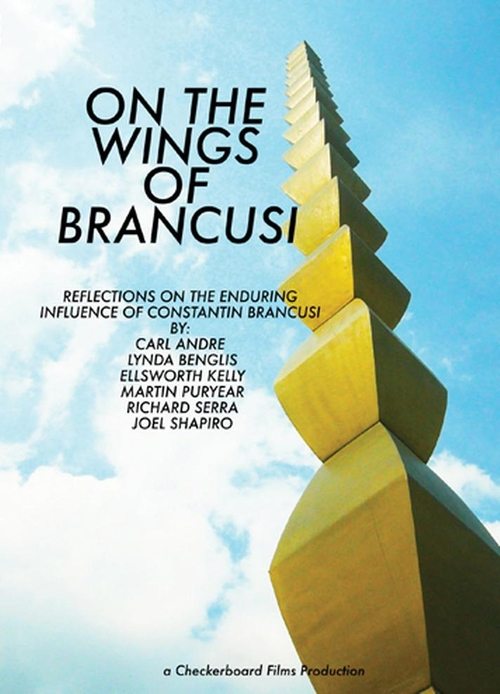
On The Wings of Brancusi
Constantin Brancusi (1876-1957), the most important sculptor of the first half of the 20th century, ...
View Movie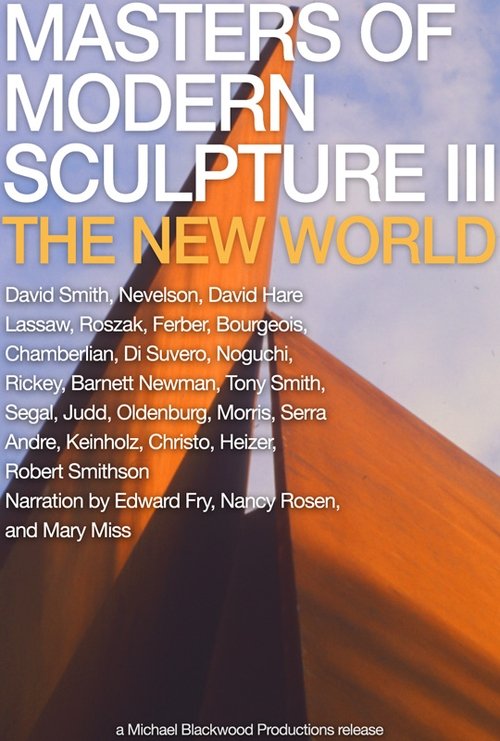
Masters of Modern Sculpture Part III: The New World
The Masters of Modern Sculpture series concludes with a look at post- World War II America, where sc...
View Movie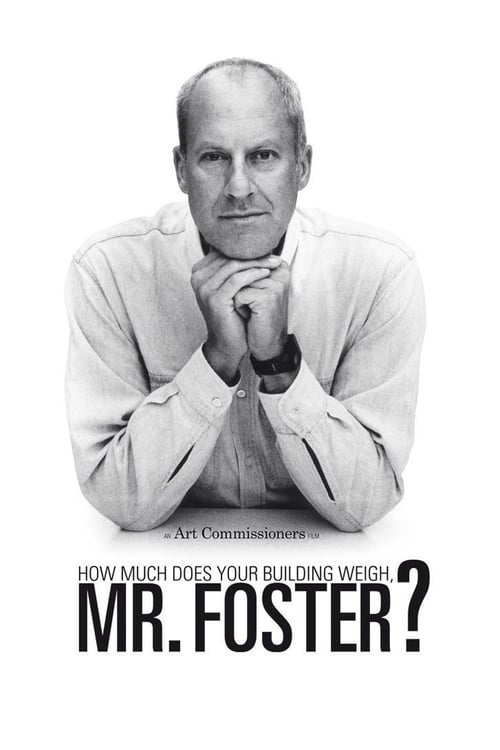
How Much Does Your Building Weigh, Mr Foster?
The film traces the rise of one of the world's premier architects, Norman Foster, and his unending q...
View Movie
The MoMA Retrospective: Charlie Rose Interview
Charlie Rose joins sculptor Richard Serra at the Museum of Modern Art for a walk-through of a retros...
View Movie