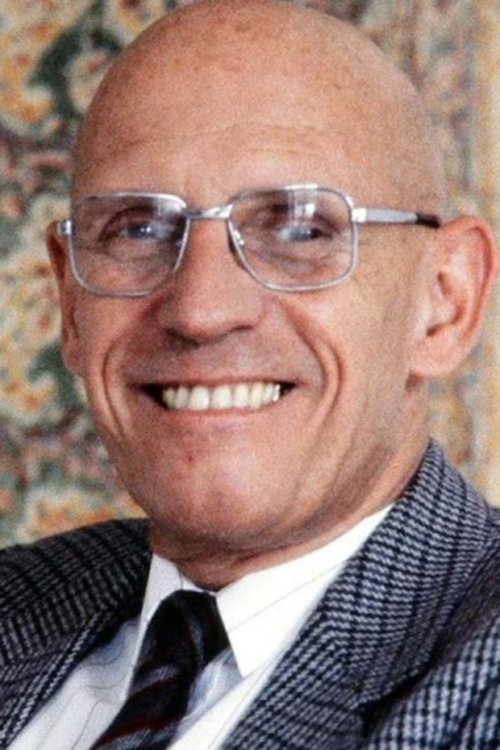
Michel Foucault
Birthday: 1926-10-15
Place of Birth: Poitiers, Vienne, France
Biography: Paul-Michel Foucault (15 October 1926 – 25 June 1984) was a French philosopher, historian of ideas, writer, political activist, and literary critic. Foucault's theories primarily address the relationships between power and knowledge, and how they are used as a form of social control through societal institutions. Though often cited as a structuralist and postmodernist, Foucault rejected these labels. His thought has influenced academics, especially those working in communication studies, anthropology, psychology, sociology, criminology, cultural studies, literary theory, feminism, Marxism and critical theory. Born in Poitiers, France, into an upper-middle-class family, Foucault was educated at the Lycée Henri-IV, at the École Normale Supérieure, where he developed an interest in philosophy and came under the influence of his tutors Jean Hyppolite and Louis Althusser, and at the University of Paris (Sorbonne), where he earned degrees in philosophy and psychology. After several years as a cultural diplomat abroad, he returned to France and published his first major book, The History of Madness (1961). After obtaining work between 1960 and 1966 at the University of Clermont-Ferrand, he produced The Birth of the Clinic (1963) and The Order of Things (1966), publications that displayed his increasing involvement with structuralism, from which he later distanced himself. These first three histories exemplified a historiographical technique Foucault was developing called "archaeology". From 1966 to 1968, Foucault lectured at the University of Tunis before returning to France, where he became head of the philosophy department at the new experimental university of Paris VIII. Foucault subsequently published The Archaeology of Knowledge (1969). In 1970, Foucault was admitted to the Collège de France, a membership he retained until his death. He also became active in several left-wing groups involved in campaigns against racism and human rights abuses and for penal reform. Foucault later published Discipline and Punish (1975) and The History of Sexuality (1976), in which he developed archaeological and genealogical methods that emphasized the role that power plays in society. Foucault died in Paris from complications of HIV/AIDS; he became the first public figure in France to die from complications of the disease. His partner Daniel Defert founded the AIDES charity in his memory. Paul-Michel Foucault was born on 15 October 1926 in the city of Poitiers, west-central France, as the second of three children in a prosperous, socially conservative, upper-middle-class family. Family tradition prescribed naming him after his father, Paul Foucault (1893–1959), but his mother insisted on the addition of Michel; referred to as Paul at school, he expressed a preference for "Michel" throughout his life. ... Source: Article "Michel Foucault" from Wikipedia in English, licensed under CC-BY-SA 3.0.
Movies
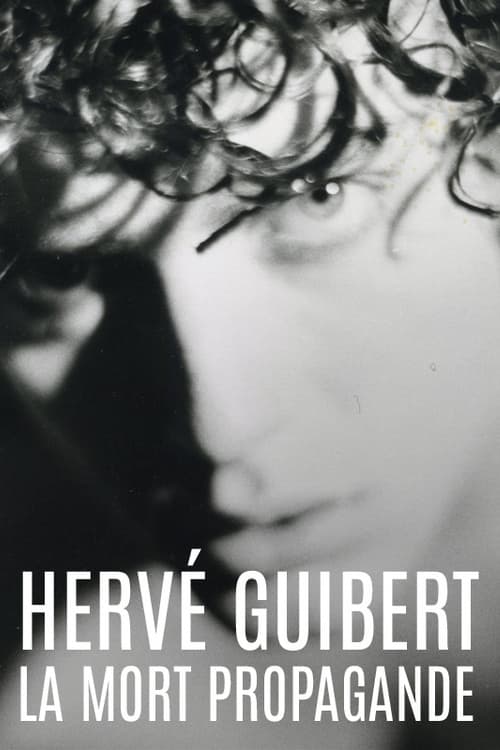
Hervé Guibert, la mort propagande
From this "inexorable disease", Hervé Guibert did not recover. The miracle he had so much hoped for ...
View Movie
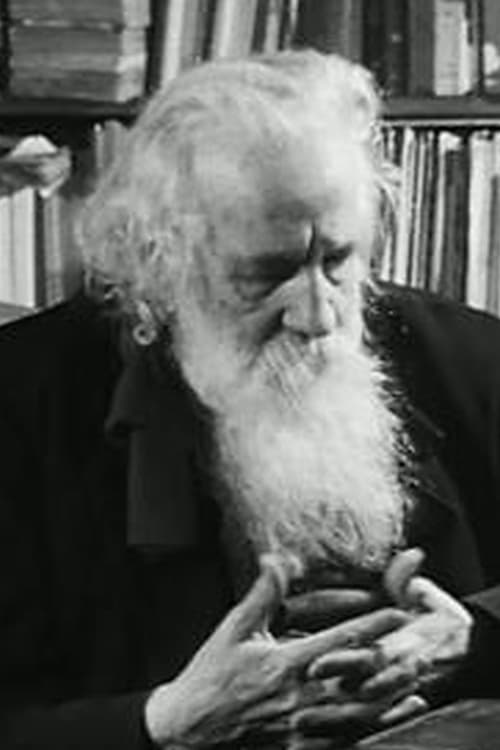
Philosophie et vérité
A discussion between Jean Hyppolite, Georges Canguilhem, Paul Ricoeur, Michel Foucault and Alain Bad...
View Movie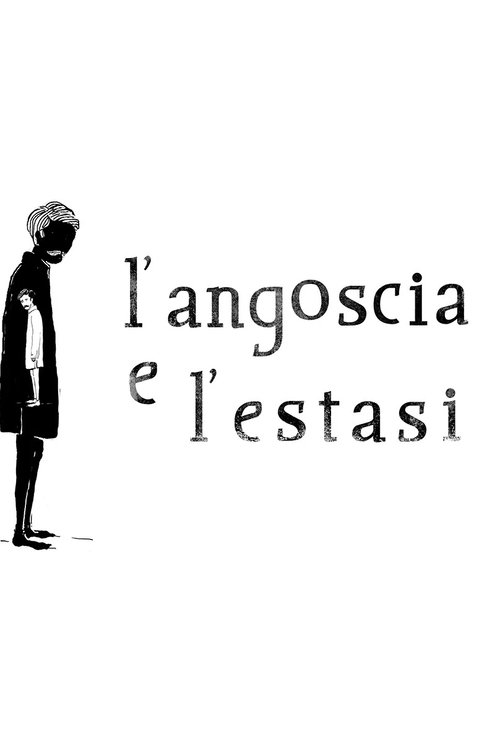
The Angst and the Bliss
One summer’s evening in 1933, the writer Raymond Roussel closes the door of his hotel room in Palerm...
View Movie
Michel Foucault: Knowledge and Power at SOAS and beyond
An insight into the life and works of Michel Foucault and how his work on Knowledge and Power still ...
View Movie
Michel Foucault: Beyond Good and Evil
The 1993 documentary film Michel Foucault: Beyond Good and Evil explores the philosopher and his com...
View Movie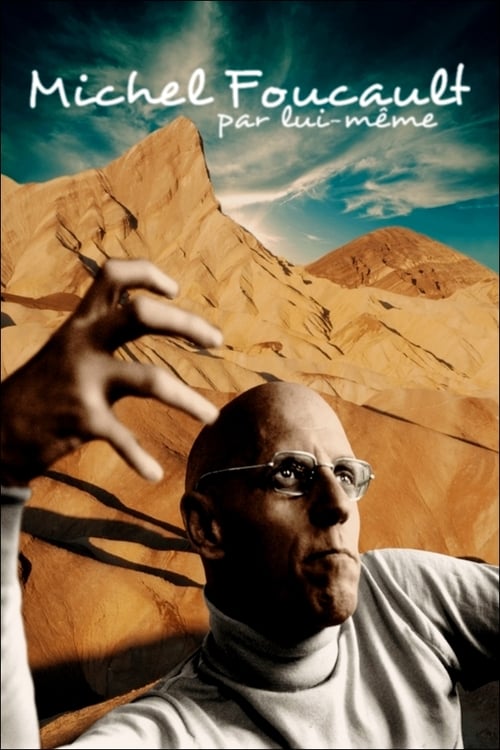
Michel Foucault par lui-même
A voyage to the center of the thought of Michel Foucault (1926-1984), a tireless explorer of the mar...
View Movie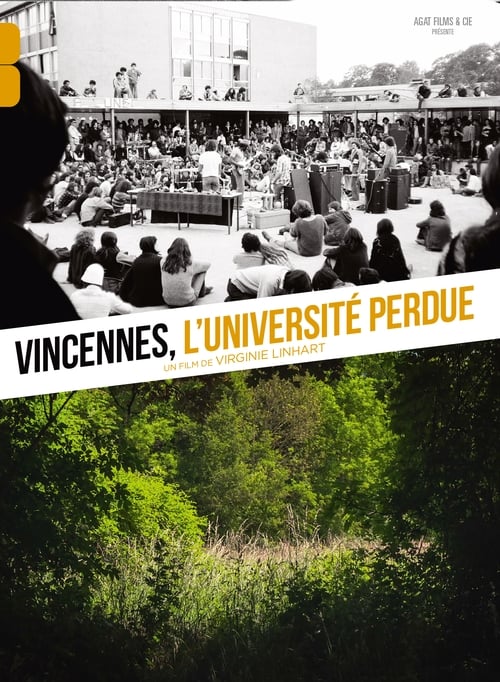
Vincennes, l'université perdue
Recounts the epic of Vincennes Experimental University Center, from its creation after the events of...
View Movie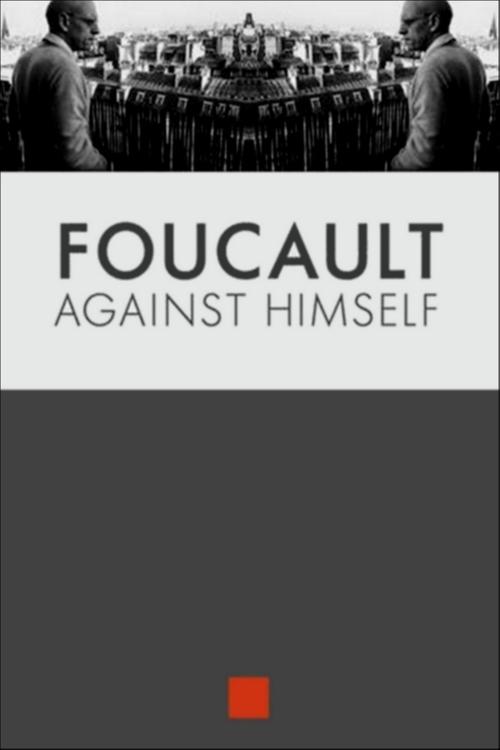
Foucault Against Himself
In both his private and public life, Foucault often contradicted himself, especially when his ideas ...
View Movie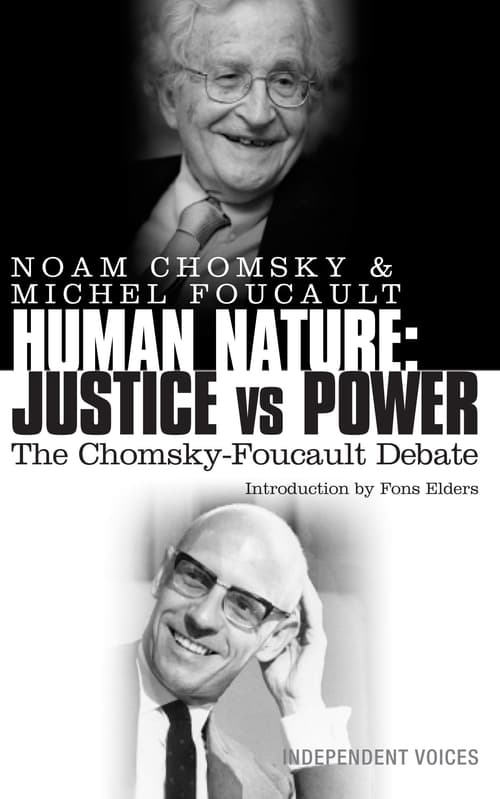
The Chomsky - Foucault Debate: On Human Nature
The Chomsky–Foucault debate was a debate about human nature, between Noam Chomsky and Michel Foucaul...
View Movie
À propos de Pierre Rivière
About René Allio's 1973 film, " I, Pierre Rivière…", Pascal Kané interviews the filmmaker as well as...
View Movie