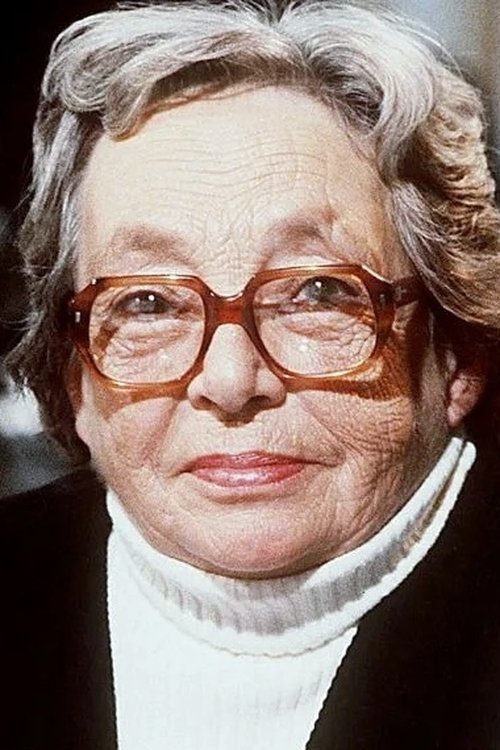
Marguerite Duras
Birthday: 1914-04-04
Place of Birth: Gia Định, Vietnam
Biography: Marguerite Germaine Marie Donnadieu (4 April 1914 – 3 March 1996), known as Marguerite Duras, was a French novelist, playwright, screenwriter, essayist, and experimental filmmaker. Her script for the film Hiroshima mon amour (1959) earned her a nomination for Best Original Screenplay at the Academy Awards. Duras was born Marguerite Donnadieu on 4 April 1914, in Gia Định, Cochinchina, French Indochina (now Vietnam). Her parents, Marie (née Legrand, 1877–1956) and Henri Donnadieu (1872–1921), were teachers from France who likely had met at Gia Định High School. They both had previous marriages. Marguerite had two brothers: Pierre, the older, and the younger Paul. Duras' father fell ill and he returned to France, where he died in 1921, when Duras was seven years old. Between 1922 and 1924, the family lived in France while her mother was on administrative leave. They then moved back to French Indochina when she was posted to Phnom Penh followed by Vĩnh Long and Sa Đéc. The family struggled financially, and her mother made a bad investment in an isolated property and area of rice farmland in Prey Nob, a story which was fictionalized in Un barrage contre le Pacifique (The Sea Wall). In 1931, when she was 17, Duras and her family moved to France where she successfully passed the first part of the baccalaureate with the choice of Vietnamese as a foreign language, as she spoke it fluently. Duras returned to Saigon in late 1932 where her mother found a teaching post. There, Marguerite continued her education at the Lycée Chasseloup-Laubat and completed the second part of the baccalaureate, specializing in philosophy. In autumn 1933, Duras moved to Paris, graduating with a degree in public law in 1936. At the same time, she took classes in mathematics. She continued her education, earning a diplôme d'études supérieures (DES) in public law and, later, in political economy. After finishing her studies in 1937, she found employment with the French government at the Ministry of the Colonies. In 1939, she married the writer Robert Antelme, whom she had met during her studies. During World War II, from 1942 to 1944, Duras worked for the Vichy government in an office that allocated paper quotas to publishers and in the process operated a de facto book-censorship system. She then became an active member of the PCF (the French Communist Party) and a member of the French Resistance as a part of a small group that also included François Mitterrand, who later became President of France and remained a lifelong friend of hers. Duras' husband, Antelme, was deported to Buchenwald in 1944 for his involvement in the Resistance, and barely survived the experience (weighing on his release, according to Duras, just 38 kg, or 84 pounds). She nursed him back to health, but they divorced once he recovered. In 1943, when publishing her first novel, she began to use the surname Duras, after the town that her father came from, Duras, Lot-et-Garonne. In 1950, her mother returned to France from Indochina, wealthy from property investments and from the boarding school she had run. ... Source: Article "Marguerite Duras" from Wikipedia in English, licensed under CC-BY-SA.
Movies
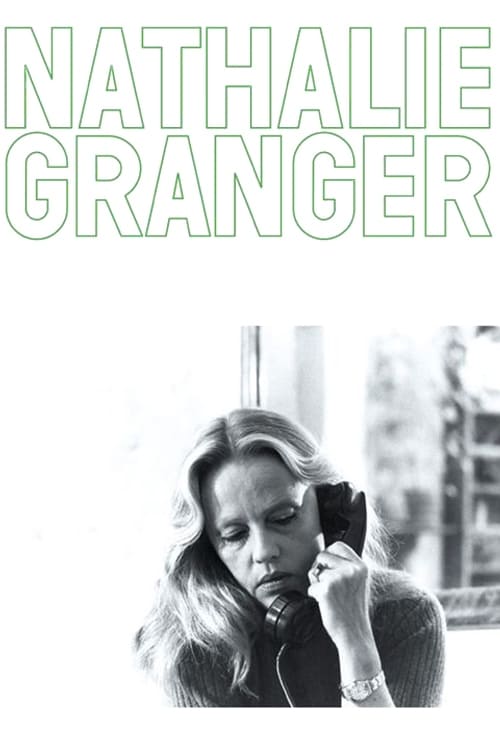
Nathalie Granger
With little or no embellishment, filmmaker Marguerite Duras offers a simple, often wordless chronicl...
View Movie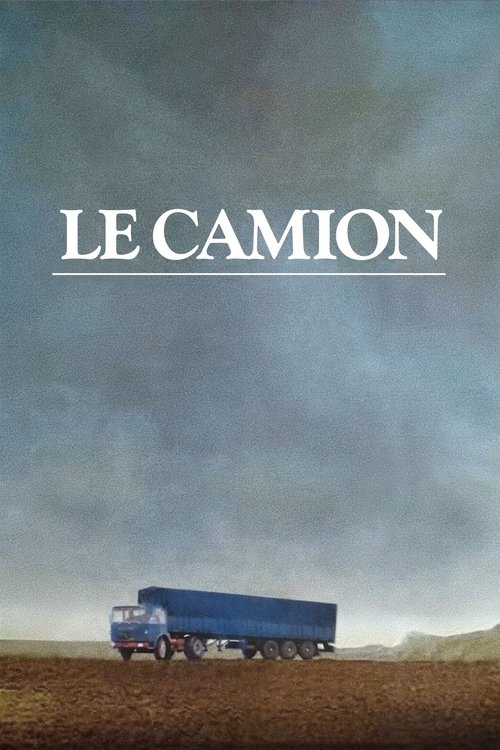
The Lorry
In this most talky and personal of films, director Marguerite Duras and actor Gerard Depardieu do an...
View Movie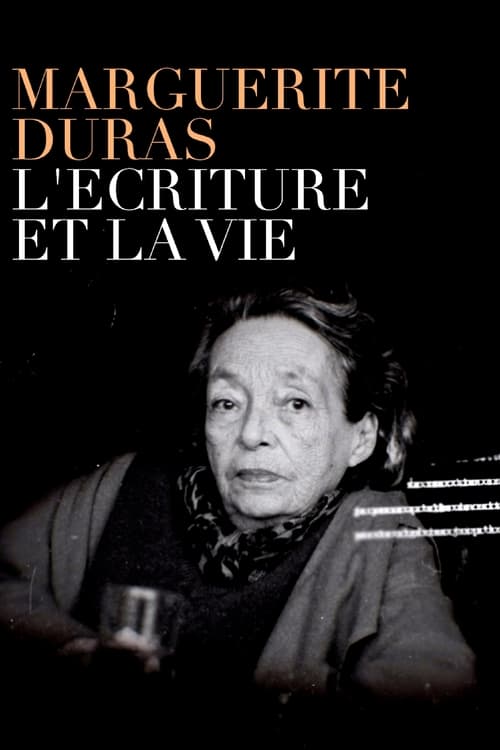
Marguerite Duras, l'écriture et la vie
25 years ago, Marguerite Duras passed away at the age of 81. At the evocation of this name, one spon...
View Movie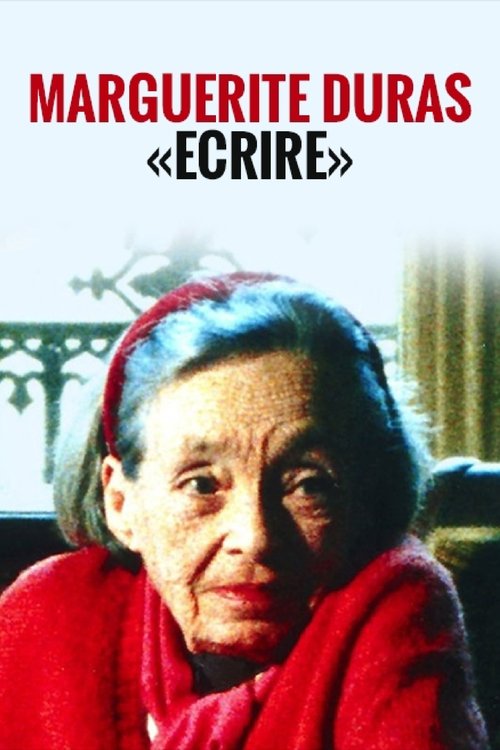
Marguerite Duras - Écrire
A long interview between Marguerite Duras and Benoît Jacquot on the subject of writing and of solitu...
View Movie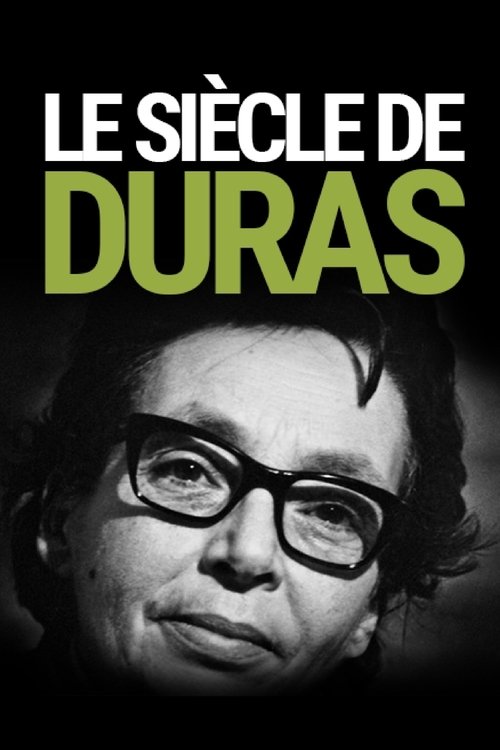
The Marguerite Duras Century
Marguerite Duras still has much to tell us about her words and about her silences. In this film, her...
View Movie
Un metteur en ordre: Robert Bresson
A documentary, originally produced in 1966 for the French TV series "Pour le plaisir," about Robert ...
View Movie
Cygne I
Stages a double persona on a music of Monteverdi (Ariadne’s lamento interpreted by Janet Baker)....
View Movie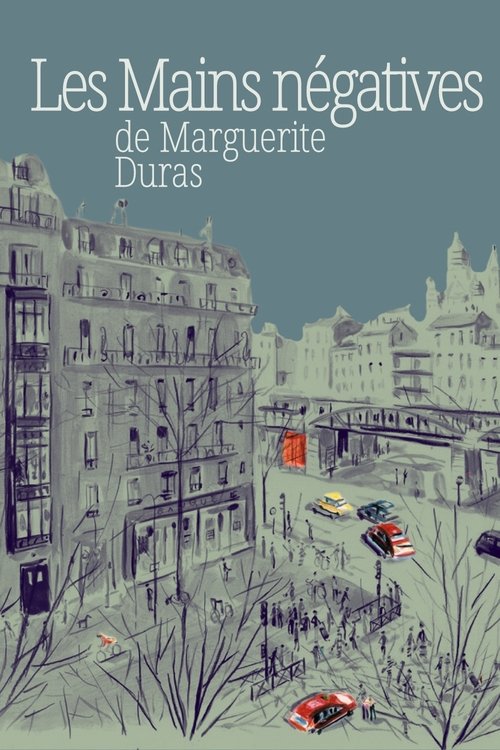
Les Mains négatives
Duras narrates a short story while the camera travels through the streets of Paris with short interl...
View Movie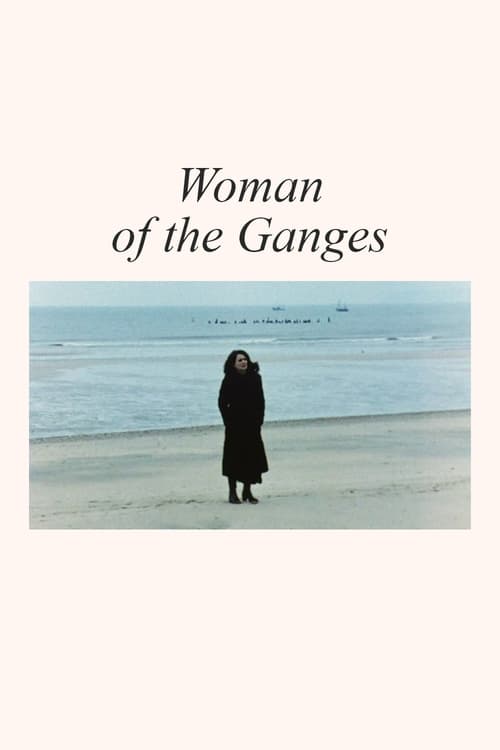
Woman of the Ganges
A man returns to the place he once lived a passionate love affair with a woman who is now dead. So ...
View Movie
Son nom de Venise dans Calcutta désert
The full soundtrack to Marguerite Duras' 1975 film India Song, about a French ambassador's wife in 1...
View Movie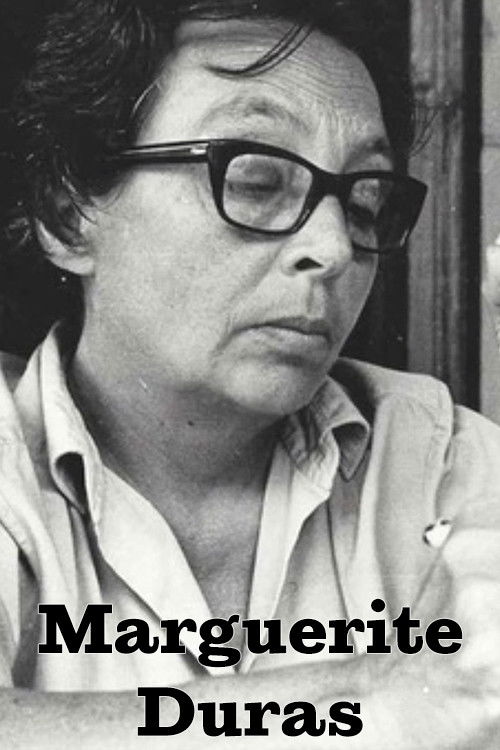
Marguerite Duras: Worn Out with Desire . . . to Write
She was the sort of woman who spared neither herself nor others—and arguably qualifies as 20th-centu...
View Movie
Marguerite Duras
Marguerite Duras.is interviewed twice, first in 1984 and then in 1993, on her life and work as a wri...
View Movie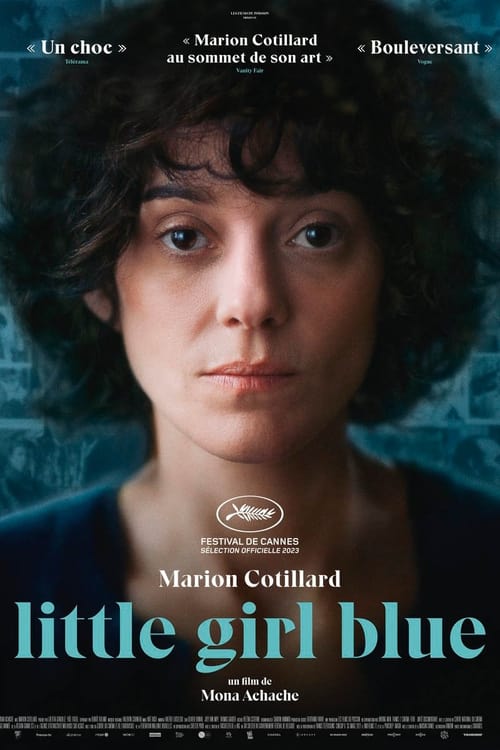
Little Girl Blue
In 2016, French writer and photographer Carole Achache took her own life. After Carole's death, her ...
View Movie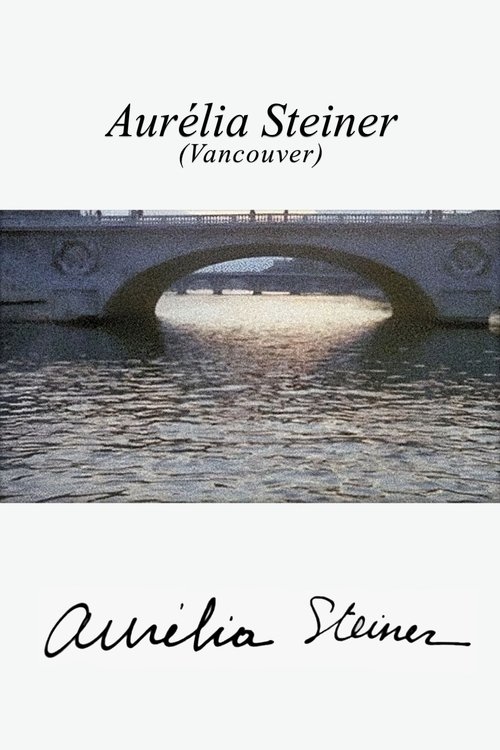
Aurélia Steiner (Vancouver)
Based on the letters of a fictitious poetess to her lover. Duras reads extracts from the letters, ab...
View Movie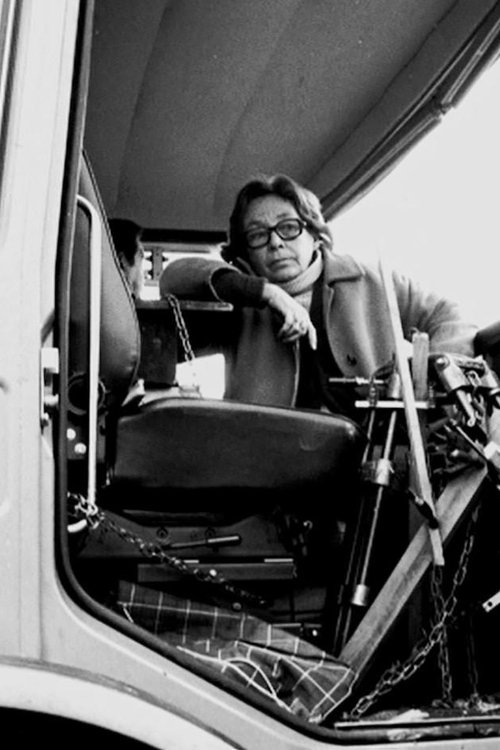
Duras and Cinema
Documentary on famous writer Marguerite Duras and her paradoxical relation to the seventh art by her...
View Movie
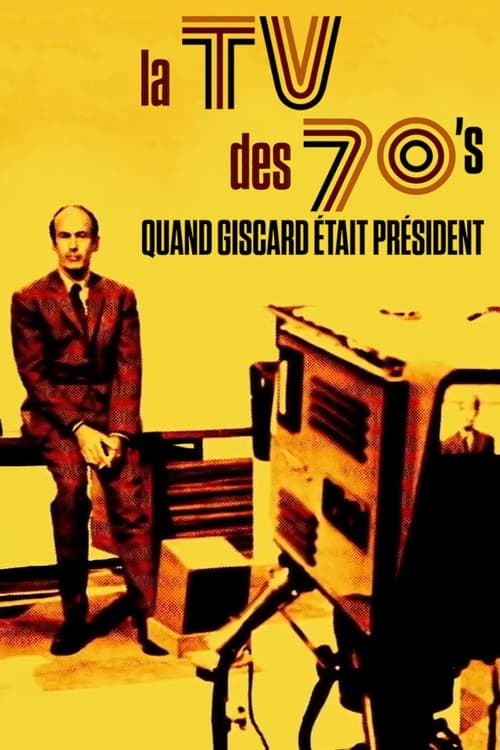
La TV des 70's : Quand Giscard était président
In May 1974, Valéry Giscard d'Estaing became President of the Republic and wanted to bring about a n...
View Movie
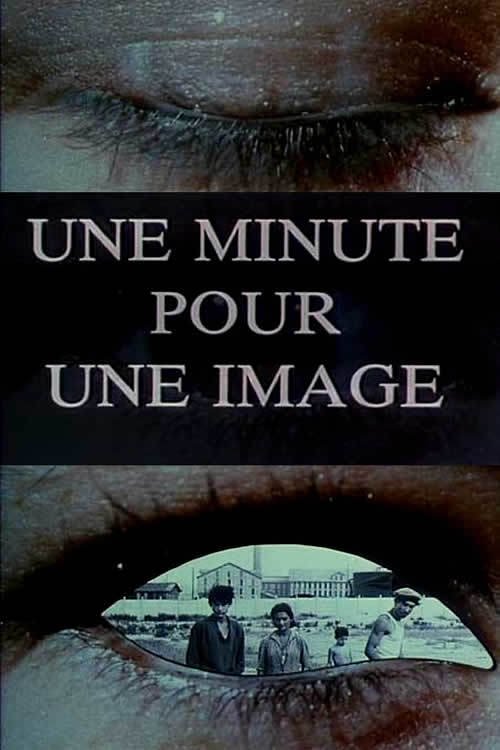
One Minute for One Image
TV series directed by Varda in which she gives thoughts to her favorite images and why she is drawn ...
View Movie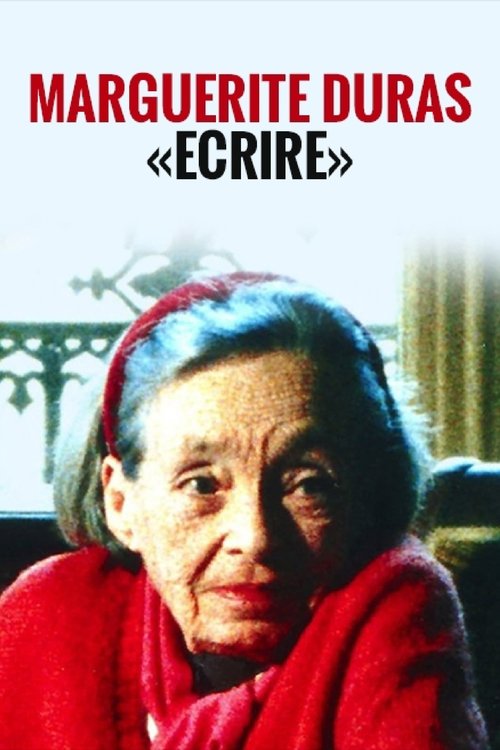
Écrire
When Duras saw 'La mort du jeune aviateur anglais', she told Benoît Jacquot that the film was about ...
View Movie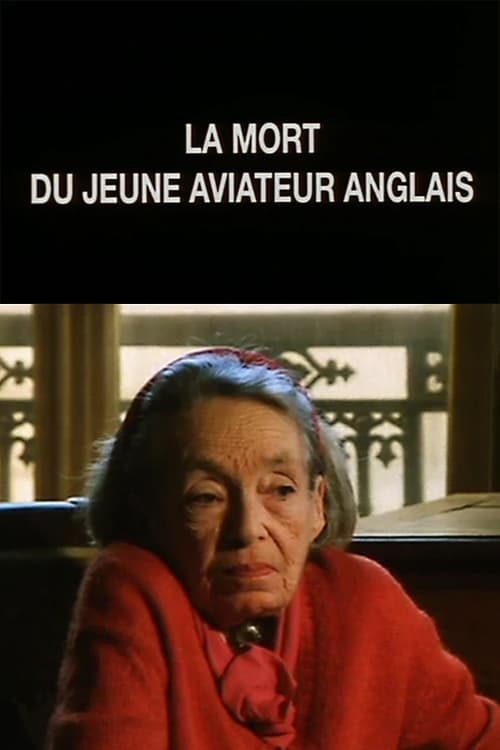
The Death of the Young English Aviator
Marguerite Duras tells the story of the death of a young English aviator in a French village....
View Movie
Les enfants et Noël
Reflections (in voice-over) by Marguerite DURAS on toys "the most beautiful are those you see behind...
View Movie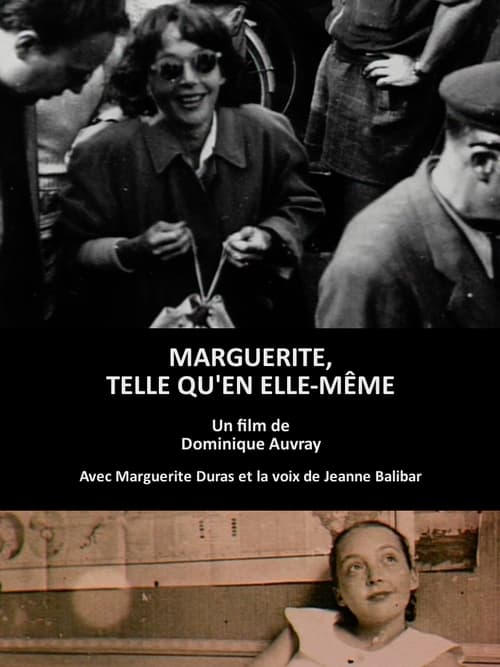
Marguerite as She Was
On June 3, 1991, Marguerite Duras gave me her last published work, "The North China Lover", autograp...
View Movie
India Song
Anne-Marie Stretter, the wife of a French diplomat in 1930s India, takes many lovers to relieve the ...
View Movie
The Colour of Words
This afterword to India Song (Duras' celebrated 1975 film) is organized in several parts. It begins ...
View Movie
L’homme atlantique
When everything was ready for my death, I began to write of what I know precisely, which you’ve neve...
View Movie
Le Navire Night
Le Navire Night is a story of love and desire sustained and nourished through sound waves. The film’...
View Movie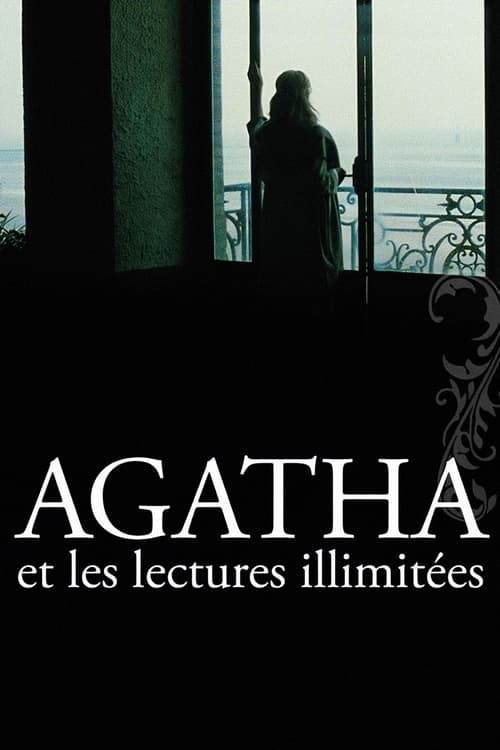
Agatha and the Limitless Readings
A man and his sister meet at a seaside village to discuss their relationship....
View Movie
Les vendredis d'Apostrophes
Hours and historical meetings, Pierre Assouline has composed an anthology of the best extracts prese...
View Movie
L'affaire Matzneff
About the Gabriel Matzneff affair and pedophilia in French culture and society from the 1950s to the...
View Movie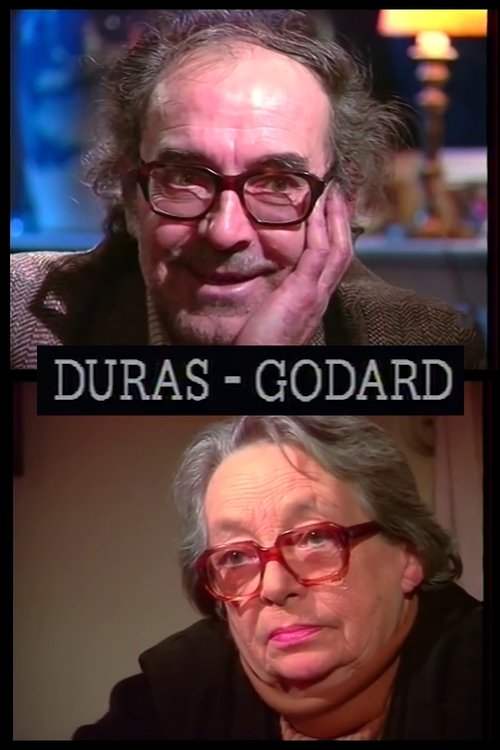
Duras/Godard
On December 2, 1987, the filmmaker visited the novelist at her home in Paris. This meeting gave rise...
View Movie
Hiroshima: The Time of Return
Luc Lagier puts Alain Resnais' film back in its historical context and in the filmmaker's biography....
View Movie
Dim Dam Dom: Marguerite Duras and Little François
Broadcast once a month, Dim Dam Dom was a TV variety show on the second channel of French public tel...
View Movie
La Dame des Yvelines
Conversation between a woman (Duras) and a man (D. Noguez) about a woman and a man....
View Movie
Baxter, Vera Baxter
In an empty villa, Vera Baxter sits and contemplates her life, as she recounts to a woman who was dr...
View Movie
Jeanne Moreau: Free Spirit
An account of the life of actress Jeanne Moreau (1928-2017), a true icon of the New Wave and one of ...
View Movie
Pornotropic
When French writer Marguerite Duras (1914-96) published her novel The Sea Wall in 1950, she came ver...
View Movie
The Places of Marguerite Duras
Her whole childhood, Marguerite Duras spent her time moving. Her house in Neauphle-le-Château is the...
View Movie
Pop Age
Report on the young people of the yéyé period and pop music. Jerk at the Palladium, Beatles, press c...
View Movie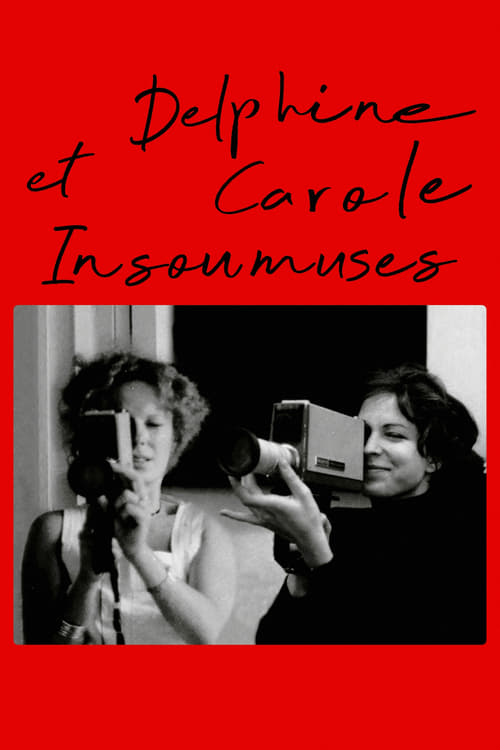
Delphine and Carole
In the 70s, actress Delphine Seyrig and director Carole Roussopoulos, both militant feminists, were ...
View Movie
Marguerite Duras and the Prison Governess
During this strange and confrontational interview, Duras takes on France’s only female prison warden...
View Movie
Marguerite Duras interviews Jeanne Moreau
Duras interviews an exhausted Jeanne Moreau, addressing her friend as vous, despite the fact "the tw...
View Movie
Marguerite Duras and Stripper Lolo Pigalle
In this episode of Dim Dam Dom, Duras interviews the stripper Lolo Pigalle. A clip of Lolo dancing i...
View Movie
Marguerite Duras in the Lions' Den
Duras, ever the challenging interviewer, forensically questions a Parisian zookeeper regarding the h...
View Movie
Marguerite Duras and the '68ers
Here Duras assumes a more distant role, less an interviewer than an invested documentarian. Her ques...
View Movie
Mitterrand, président culturel
On the occasion of the fourty years anniversary of François Mitterand's election, a look back to the...
View Movie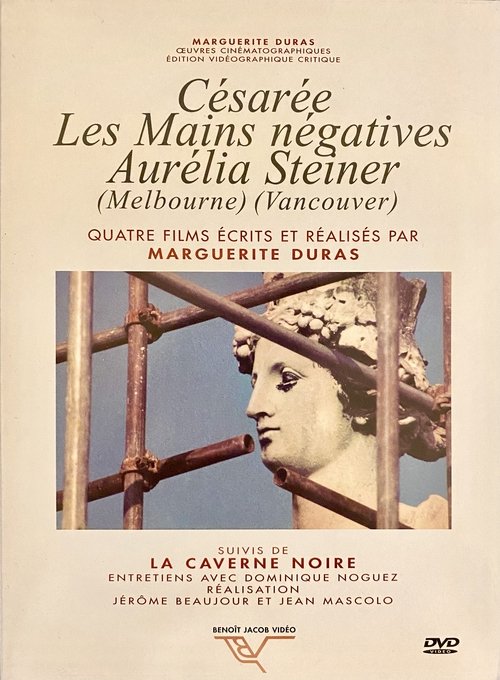
Work and Words
In this interview with Dominique Noguez, Marguerite Duras talks successively about each of her four ...
View Movie
Mulher a Mulher: Interview with Marguerite Duras by Yann Lemée
‘Mulher a Mulher’ is a Portuguese TV show dedicated to the condition of women that aims to demystify...
View Movie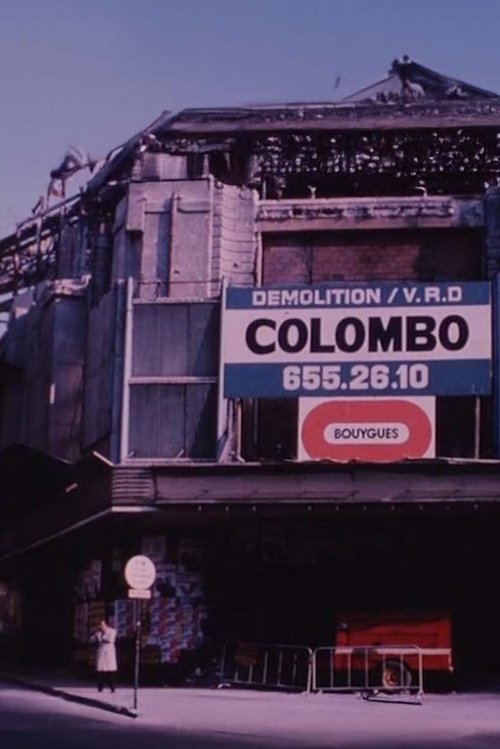
Gaumont-Palace
From the deserted halls and corridors of the Gaumont-Palace cinema in Paris, memories of the great f...
View Movie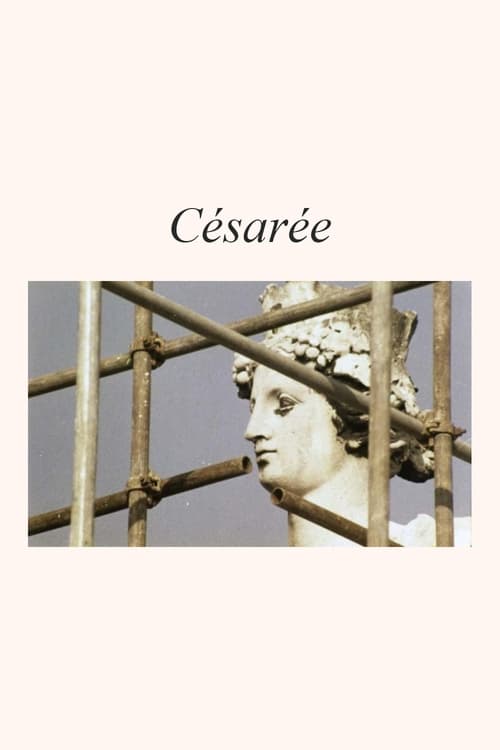
Césarée
On images of the Tuileries Gardens, Marguerite Duras recalls Césarée, an ancient destroyed city....
View Movie