
Charles Trenet
Birthday: 1913-05-18
Place of Birth: Narbonne, Aude, France
Biography: Louis Charles Augustin Georges Trenet (18 May 1913 – 19 February 2001) was a renowned French singer-songwriter who composed both the music and the lyrics for nearly 1,000 songs over a career that lasted more than 60 years. These songs include "Boum!" (1938), "La Mer" (1946) and "Nationale 7" (1955). Trenet is also noted for his work with musicians Michel Emer and Léo Chauliac, with whom he recorded "Y'a d'la joie" (1938) for the first and "La Romance de Paris" (1941) and "Douce France" (1947) for the latter. He was awarded an Honorary Molière Award in 2000. Trenet was born in Avenue Charles Trenet, Narbonne, Occitanie, France, the son of Françoise Louise Constance (Caussat) and Lucien Etienne Paul Trenet. When he was age seven, his parents divorced, and he was sent to boarding school in Béziers, but he returned home just a few months later, suffering from typhoid fever. It was during his convalescence at home that he developed his artistic talents, such as performing music, painting and sculpting. His mother remarried, and he lived with her and his stepfather, writer Benno Vigny. In 1922, Trenet moved to Perpignan, this time as a day pupil. André Fons-Godail, the "Catalan Renoir" and a friend of the family, took him for excursions with painting. His poetry is said to have the painter's eye for detail and colour.[3] Many of his songs refer to his surroundings such as places near Narbonne, the Pyrenees and the Mediterranean coast. He passed his baccalauréat with high marks in 1927. After leaving school, he left for Berlin, where he studied art, and later, he also briefly studied at art schools in France. When Trenet first arrived in Paris in the 1930s, he worked in a movie studio as a props handler and assistant, and later joined the artists in the Montparnasse neighbourhood. His admiration of the surrealist poet and Catholic mystic Max Jacob (1876–1944) and his love of jazz were two factors that influenced Trenet's songs. From 1933 to 1936, he worked with the Swiss pianist Johnny Hess as a duo known as Charles and Johnny. They performed at various Parisian venues, such as Le Fiacre, La Villa d'Este, the Européen and the Alhambra. They recorded 18 discs for Pathé, the most successful of which was "Quand les beaux jours seront là/Sur le Yang-Tsé-Kiang". The Charles and Johnny records feature Hess on piano, with the two frequently singing in two-part harmonies with quickly alternating solo spots for the two. Around 1935, the duo appeared regularly on the radio on a broadcast titled Quart d'heure des enfants terribles. The duo continued until 1936 when Trenet was called up for national service. After performing this, he received the nickname that he would retain all his life: "Le Fou chantant" (The Singing Madman). He began his solo career in 1937, recording for Columbia, his first disc being "Je chante/Fleur bleue". The exuberant "Je chante" gave rise to the notion of Trenet as a "singing vagabond", a theme that appeared in a number of his early songs and films. He shot to stardom very quickly; as Jean Cocteau put it, when Trenet sang, "He was so young, so fresh that the bar yielded to a rustic decor, the projectors became the stiff branches of a cherry tree, the microphone a hollyhock, the piano a cow." ... Source: Article "Charles Trenet" from Wikipedia in English, licensed under CC-BY-SA.
Movies
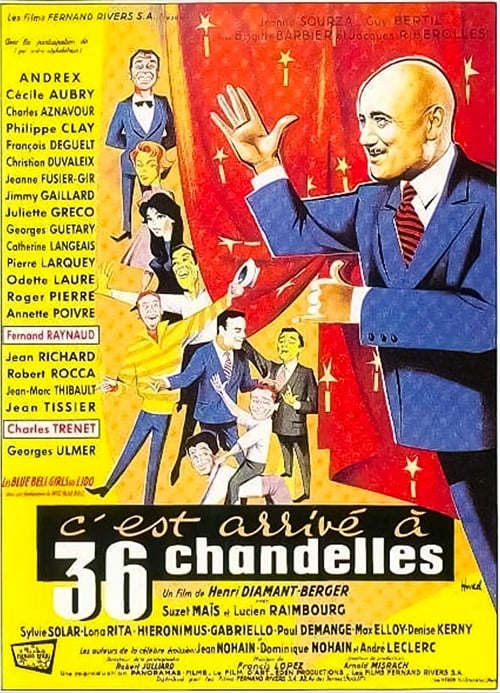
It Happened on the 36 Candles
Rejecting the union of her daughter Brigitte with a modest worker, Madame Magnin invents an adultery...
View Movie
Guet-apens, des crimes invisibles
The result of an investigation that lasted several months, this documentary film reveals the extent ...
View Movie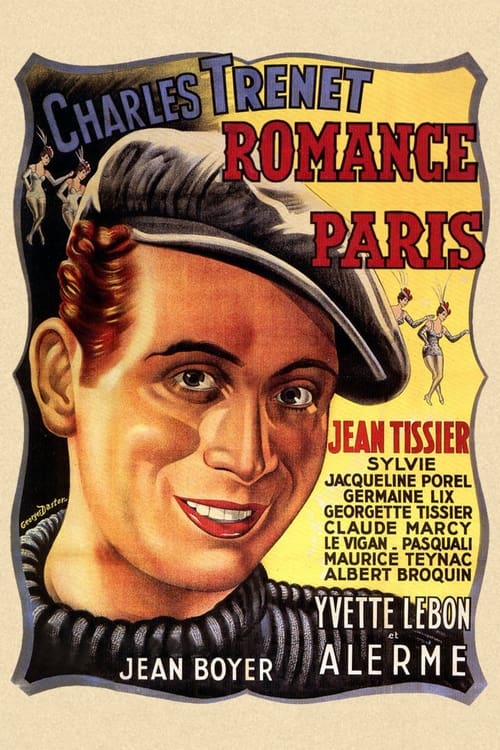
Paris Romance
Georges Gauthier is an electrician who lives with his mother and his sister Madeleine. He is the son...
View Movie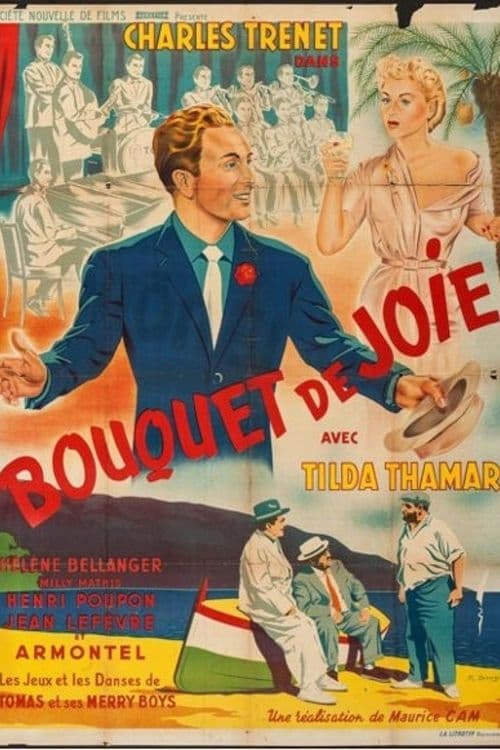
Bouquet de joie
Back from America, famous singer Charles Trénet, nicknamed "Le Fou Chantant", makes the conquest of ...
View Movie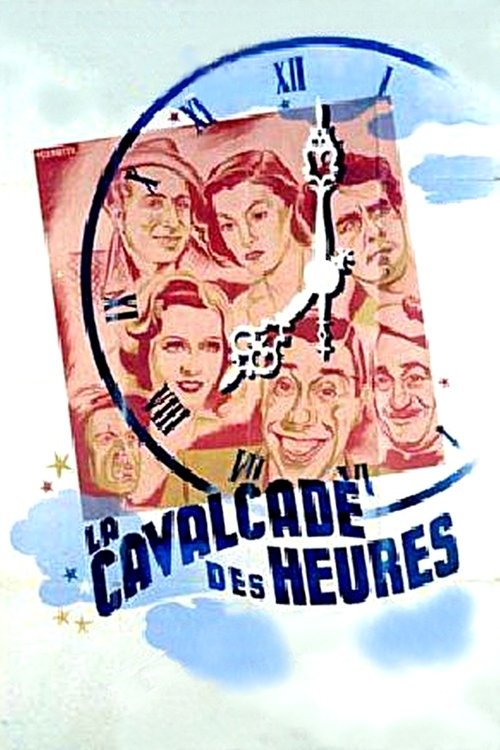
Love Around the Clock
Symbolizing the destiny of man, Hora imposes her destiny on everyone. She appears to a petty bourgeo...
View Movie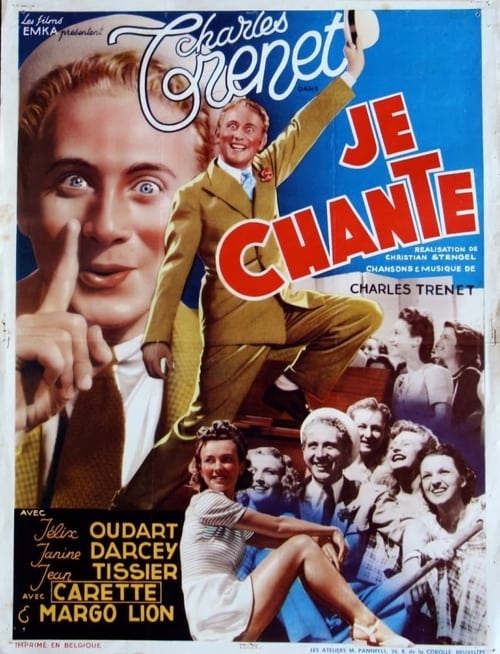
I Sing
Charles's uncle is the headmaster of a chic girls school .He is short of the readies and he has lots...
View Movie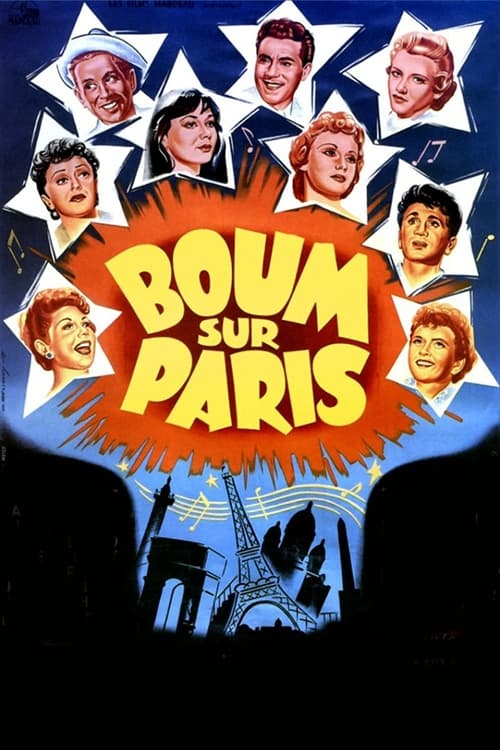
Boom on Paris
In the early 1950s, the popular radio show "La Kermesse aux Étoiles", hosted by the famous Jean Noha...
View Movie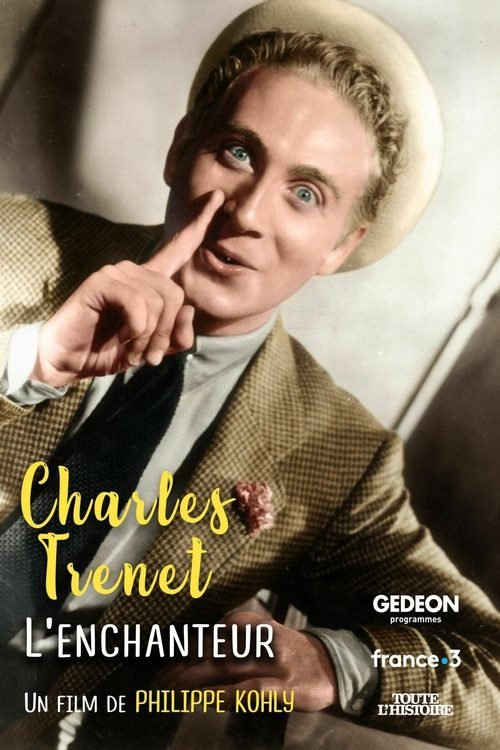
Charles Trenet, l'enchanteur
Portrait of Charles Trenet. Twenty years after his death, this documentary offers a new look at the ...
View Movie
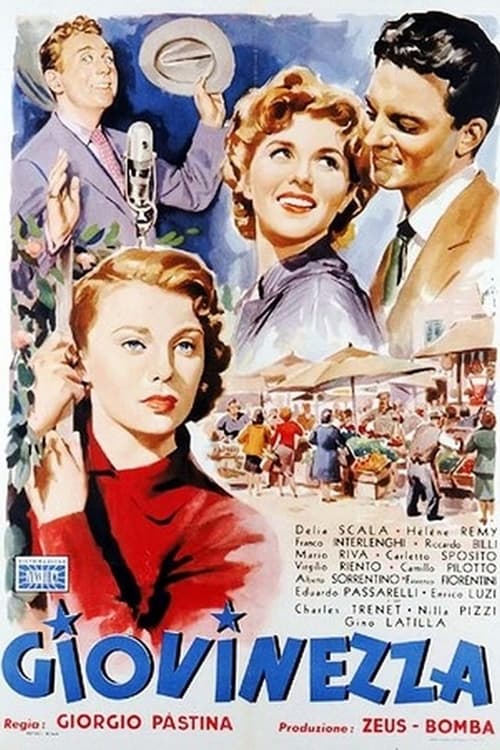
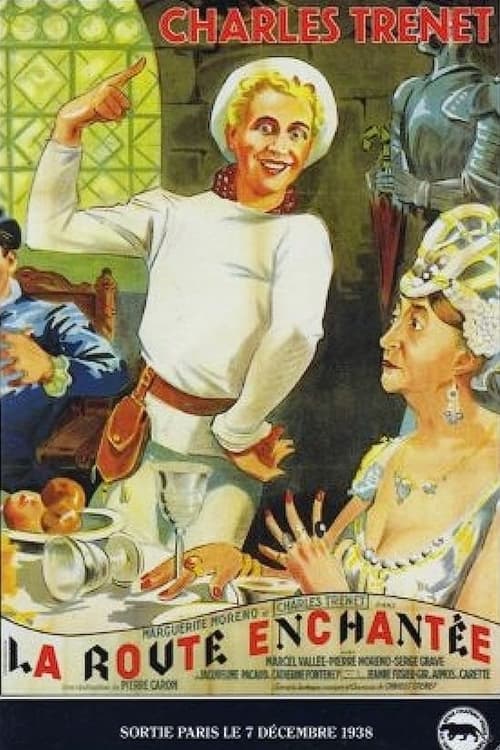
The Enchanted Road
The son of two teachers hits the road and becomes a singing success after being taken in as a proteg...
View Movie
La TV des 70's : Quand Giscard était président
In May 1974, Valéry Giscard d'Estaing became President of the Republic and wanted to bring about a n...
View Movie
L'or du duc
A young duke marries a girl, also penniless, and moves into a bus left him by an uncle, with their t...
View Movie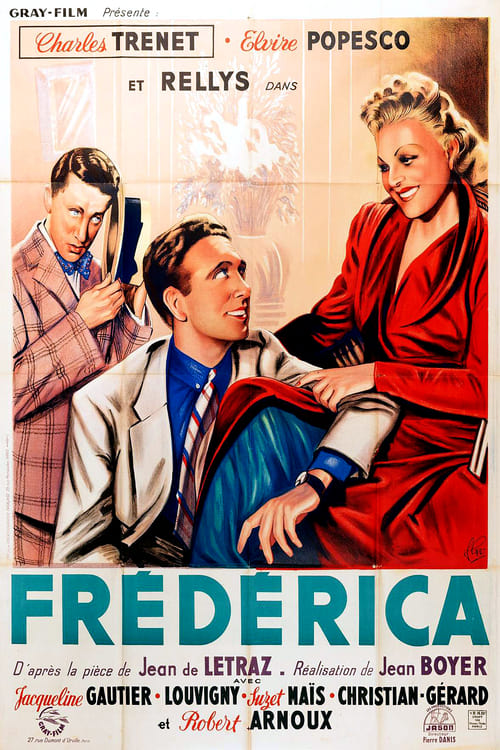
Frédérica
Gilbert, poet and singer, is about to marry Lilette but deep inside himself he is not quite sure tha...
View Movie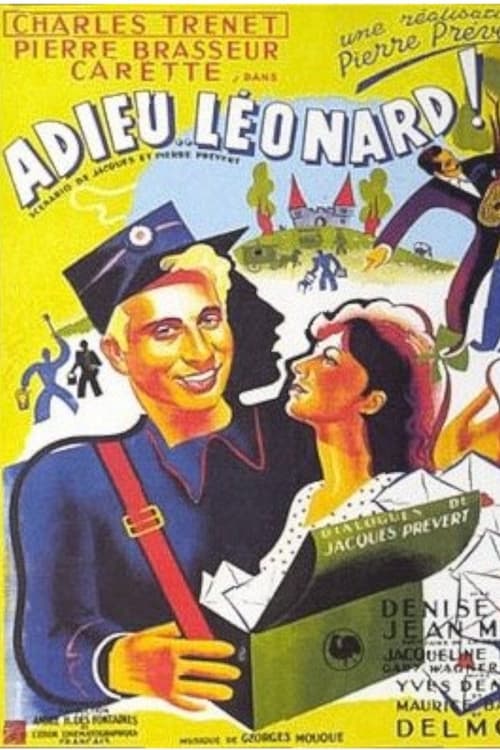
Adieu Léonard
A bungling thief is threatened by one target with blackmail, unless the thief will kill his own cous...
View Movie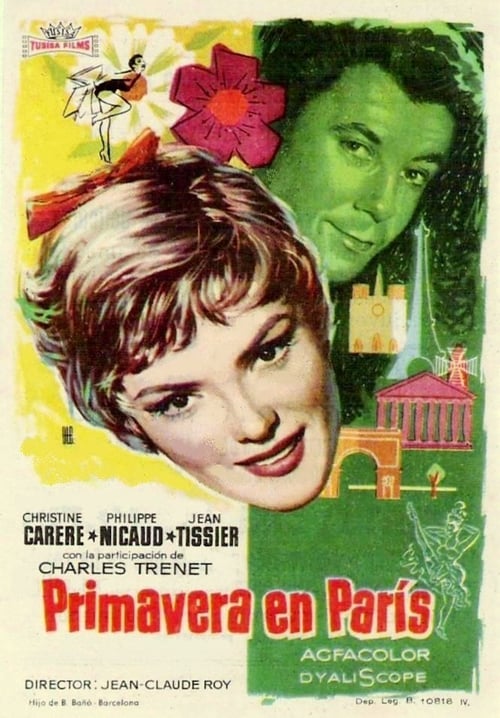
Springtime in Paris
On her way to Paris, Gisèle meets a young motorist who offers to be her guide. Gisèle, suspicious, r...
View Movie